
An interstate move can get expensive fast. Distance, packing, fuel, labor, storage, insurance, and timing all affect the price. The good news is that you can save money with the right plan, even when your move takes you across state lines.
For Asheville residents, a smart interstate moving plan starts with clear pricing, realistic expectations, and a moving company that explains the process before moving day. Asheville Area Movers helps local families, apartment renters, homeowners, and businesses with long distance moves built around honest service, careful handling, and straightforward communication.
The goal is not to choose the cheapest option without thinking it through. A low quote can become expensive if it leaves out fees, creates delays, or puts your belongings at risk. The better approach is to plan and budget ahead, reduce unnecessary expenses, and work with movers who respect your time and your budget.
What are 10 ways to save money on your next interstate move? Use these moving tips to create a moving budget, compare moving companies, and keep your next interstate move organized from the first box to the last delivery.
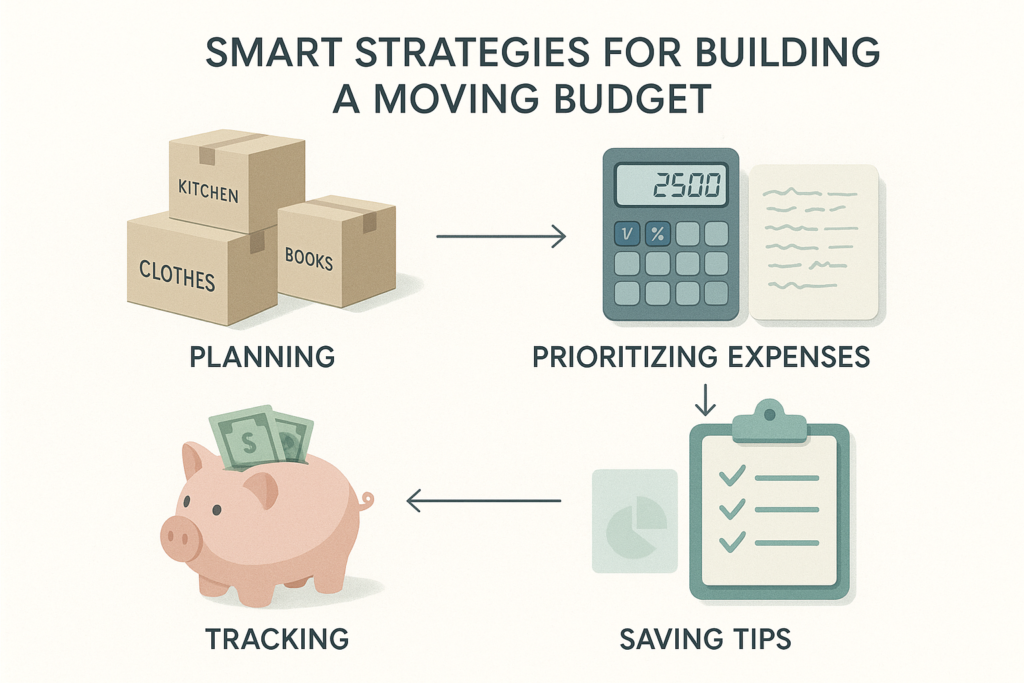
1. Create a Moving Budget before You Book
The first way to save money is to know what you can spend before you start calling movers. A moving budget gives you a clear number to work from and helps you compare quotes without being distracted by vague promises.
Start by listing the main moving expenses you expect. Include professional movers, packing supplies, transportation, fuel, storage, insurance, utility setup, travel, meals, hotels, cleaning, and deposits for your new home. Long distance moves often include costs that local moves do not, so it helps to write everything down early.
A budget also helps you decide where to spend and where to cut back. You may want professional movers for loading, transport, and unloading, but decide to handle some packing yourself. You may choose basic storage for a short gap between homes, but skip specialty packing for items you can safely prepare on your own.
Here is a simple way to organize your move costs:
| Moving Expense | Why It Matters | Money-Saving Step |
| Labor and transport | Usually the largest part of the cost | Compare written quotes from several companies |
| Packing supplies | Boxes, tape, wrap, and padding add up | Use free boxes when safe and buy only what you need |
| Storage | Needed when dates do not line up | Ask early about short-term storage options |
| Insurance or valuation | Protects belongings during transit | Review coverage before adding extra protection |
| Travel costs | Hotels, fuel, meals, and pet travel affect the total | Plan your route and book early |
| Extra fees | Stairs, long carries, shuttles, or delays may raise the bill | Ask what could change the price |
A clear budget makes it easier to spot unnecessary expenses. It also helps your mover recommend the right service level. Asheville Area Movers is a good fit for customers who want upfront pricing, local knowledge, and honest answers before they commit.
2. Compare Movers by Value, Not Just Price
A low estimate can look appealing, but price alone does not tell the whole story. Some moving companies leave out details, charge surprise fees later, or provide less support than you expected. The best value comes from a mover that is clear, reliable, and prepared for the distance involved.
When comparing movers, look for signs of trust: licensing, insurance, real reviews, a local address, responsive communication, and experience with interstate moving. Long distance moves require planning, scheduling, careful loading, and clear delivery expectations. You want a crew that can explain how your items will be handled from Asheville to your new home.
A good company should also be willing to answer questions without rushing you. If a mover avoids details or pressures you to book before you understand the quote, keep looking.
Asheville Area Movers brings local accountability to long distance service. Their team knows the Asheville area, handles moves of different sizes, and helps with packing, transport, loading, unloading, and storage coordination. That type of service can help you avoid delays and extra costs that come from poor planning.
3. Ask for Written Quotes and Clear Pricing
A verbal estimate is not enough for an interstate move. Ask each company for a written quote that explains labor, mileage or distance charges, packing, storage, fuel, heavy items, stairs, and any possible add-ons.
If one estimate is much lower than the rest, ask why. It may not include the same level of service. It may also leave out fees that appear later, after your belongings are already packed or loaded.
A written quote helps you compare companies fairly. It also protects you from confusion when moving day gets busy. Every estimate should make it clear what is included, what could cost extra, and when payment is due.
For Asheville residents, this matters because long distance moves can involve mountain roads, steep driveways, storage stops, or schedule changes. Clear pricing lets you plan instead of guessing.

4. Downsize before Packing Anything
Moving fewer items can significantly reduce costs. Interstate moving prices often depend on weight, volume, distance, labor, and time. The less you move, the less space your shipment takes and the easier the move becomes.
Before packing, go through your home room by room. Sort items into keep, sell, donate, recycle, and toss categories. Be honest about what is worth moving across state lines. Old furniture, duplicate kitchen items, unused décor, half-empty cleaning supplies, and worn-out clothing may cost more to move than to replace.
Downsizing also saves time. Fewer items mean fewer boxes, less packing, faster loading, and less clutter when you arrive. It can also reduce the need for storage if your new home is smaller or your move-in date changes.
Use this checklist before you pack:
- Sell furniture that does not fit your new home or costs too much to transport.
- Donate clothes, books, dishes, and household items you no longer use.
- Use up pantry goods, toiletries, and cleaning products before moving day.
- Recycle broken electronics, old papers, and worn-out items.
- Measure large furniture to confirm it will fit in the new space.
- Ask your movers which items they cannot transport.
This step is especially helpful for Asheville residents moving from apartments, mountain homes, or older houses with storage areas that collect extra belongings. Start planning early so you have adequate time to sell or donate items instead of making rushed decisions right before moving day.
5. Collect Free Boxes and Buy Supplies Wisely
Packing supplies can add up quickly, especially for a long distance move. Boxes, tape, wrap, packing paper, mattress covers, and specialty cartons all affect the final cost.
Start by collecting free boxes from local stores, friends, neighbors, offices, or community groups. Choose sturdy boxes that are clean, dry, and strong enough for the items inside. Avoid weak boxes for dishes, books, electronics, or anything heavy.
Use the right box for the right job. Small boxes work well for books, tools, canned goods, and dishes. Medium boxes are good for clothing, décor, pantry items, and household supplies. Large boxes should be saved for light items such as bedding, pillows, towels, and lampshades.
Buying fewer but better supplies can prevent damage and repacking delays. It is cheaper to use the right materials once than to replace broken belongings later.
6. Pack Yourself Where It Makes Sense
Packing is one of the easiest places to cut costs, but it needs to be done carefully. Poor packing can lead to broken items, extra labor, repacking delays, and higher costs. Smart packing saves money because it protects your belongings and helps movers work faster.
DIY packing works well for clothing, linens, books, toys, and basic household goods. You can also save by using items you already own as padding. Towels, blankets, socks, and soft clothing can protect fragile items and reduce the amount of bubble wrap or packing paper you need to buy.
Still, do not cut corners with breakables. Dishes, glassware, mirrors, lamps, artwork, antiques, and electronics need proper protection. Professional packing may be worth the cost for fragile, high-value, bulky, or oddly shaped items.
Asheville Area Movers can help with packing services when you need extra support, whether you want full packing help or only assistance with the tricky items.

7. Label Boxes to Reduce Labor Time
Labels may seem simple, but they can save real time and money. Clear labels help movers place boxes correctly, reduce confusion, and speed up unloading.
Label every box with the room and a short description. “Kitchen, plates and mugs” is more useful than “kitchen.” “Bedroom, winter clothes” is easier to sort than “clothes.” If a box is fragile, mark it clearly on more than one side.
Good labels also help you unpack faster. You will not waste time opening ten boxes to find towels, chargers, pet supplies, or cookware. That matters even more after a long interstate trip when everyone is tired.
A basic color system can help too. Use one color for bedrooms, another for kitchen items, another for storage, and another for open-first items. This gives movers quick visual direction and keeps the process moving.
8. Choose an Off-Peak Moving Date
Timing can make a real difference in moving costs. Summer, weekends, holidays, and the beginning or end of the month are often busier. When demand is high, availability can be tighter and pricing may be less flexible.
If your schedule allows, move during a weekday, mid-month, or off-peak season. Late fall, winter, and early spring may offer better scheduling options for some long distance moves. Booking early can also help you avoid rush fees and last-minute decisions.
Try to move early enough that you have time to compare companies, gather supplies, pack carefully, and adjust if plans change. A rushed interstate move often costs more because you have fewer options. You may pay extra for quick scheduling, last-minute packing materials, short-notice storage, or overnight travel.
Weather is another factor in Asheville. Mountain conditions can affect loading, driving, and timing. A local mover can help you think through access, parking, steep driveways, and seasonal conditions before moving day.
9. Plan for Storage before You Need It
Storage is one of the easiest costs to overlook. If your new home is not ready, your closing date changes, or you need time before unloading, storage may be necessary. Waiting until the last minute can limit your options and raise costs.
Ask about storage early, even if you are not sure you will need it. This gives you time to compare choices, understand pricing, and decide what should go into storage versus what should be delivered right away.
Label storage boxes clearly and pack them differently from items you will need during your first week. Store seasonal items, extra furniture, décor, and non-daily items first. Keep documents, medications, chargers, work items, pet supplies, and basic kitchen goods with you.
Asheville Area Movers notes that moving and storage often go together and that they can help arrange storage units when customers need space. That can be helpful when your interstate move has a timing gap.
10. Check for Hidden Fees before Signing
Many interstate moving budgets go off track because of costs that were not discussed early. These can include long-carry fees, stairs, elevators, shuttle trucks, bulky-item handling, packing materials, fuel charges, storage, insurance, delivery delays, or rescheduling.
The best way to avoid surprise costs is to ask direct questions before signing. Tell your moving company about stairs, narrow roads, parking limits, building rules, elevators, long driveways, and any items that need special handling. The more your movers know, the more accurate your quote can be.
Ask these questions before you agree to a move:
- Are stairs, elevators, or long carries included?
- Are fuel charges or travel fees included?
- Will heavy or bulky items cost extra?
- What happens if my move-in date changes?
- Is storage available if delivery is delayed?
- What insurance or valuation coverage is included?
- Are packing materials included or separate?
A clear contract protects you. Read the estimate, ask about possible add-ons, and confirm what is included. Reliable movers will not mind explaining the details.
Make Your Move More Affordable with the Right Local Team
Saving money on an interstate move comes down to planning, reducing what you move, packing wisely, choosing the right timing, and working with a company that explains costs clearly. A cheaper move is not helpful if it leads to broken items, missed dates, poor communication, or surprise charges.
Asheville Area Movers gives local customers a practical way to manage long distance moves with less guesswork. Their team offers packing, loading, transport, unloading, local and long distance service, and storage help when needed. They focus on fair pricing, careful work, and friendly support from people who know Asheville.
A strong plan can lower moving costs without lowering service quality. Build your budget, compare written estimates, downsize early, use supplies wisely, and ask every pricing question before moving day. Each small decision helps protect your money and your peace of mind.
If you are preparing for an interstate move from Asheville, contact Asheville Area Movers for a free quote. Their team can help you review your timeline, choose the right services, and create a plan that keeps your move organized, affordable, and on schedule.