
A state-to-state move can feel like a lot to manage at once. You are balancing dates, packing, paperwork, travel plans, and the reality that your entire home is about to be in motion. Even when the move is exciting, the process can still feel heavy without a solid plan.
That is why the best long-distance moving experience usually starts before the first box is packed. When you give yourself enough time, keep the details in one place, and work with movers who communicate clearly, the whole process becomes much easier to handle. You do not have to figure it out one stressful step at a time.
For Asheville homeowners, renters, families, and retirees, the process often comes with extra layers. Mountain roads, narrow driveways, downtown access, apartment timing, and changing weather can all affect how your move should be planned. Working with a local team that understands both Asheville and interstate logistics can make a real difference.
At Asheville Area Movers, we believe your move should feel organized, honest, and manageable from the start. The tips for long-distance moving state to state below are built to help you make smart decisions, protect your belongings, and keep your move on track whether you are headed one state over or across the country.

Understand What Makes Long-Distance Moving Different
Long-distance moving is different from a local move in almost every way. A short move across town can often be adjusted on the fly. A long-distance move across state lines needs a tighter plan. Delivery timing, truck space, route planning, loading order, and communication all matter much more when your belongings are traveling for hours or days instead of minutes.
That is one reason people feel overwhelmed early in the process. There are more moving parts, and mistakes can be harder to fix once the truck is on the road. If you forget to update a utility account during a local move, it may be annoying. If you overlook an access issue, a storage need, or a delivery window during interstate moving, it can throw off the entire timeline.
A good moving company helps you make sense of those details before moving day arrives. The right movers will ask the right questions about your home, your destination, your schedule, and any issues that could affect loading or delivery. That includes things like stairs, elevator reservations, parking, large furniture, and storage plans.
It also helps to recognize the emotional side of moving long distance. You are not only packing boxes. You are closing one chapter and starting another. That can bring excitement, stress, uncertainty, and a lot of decisions in a short time. A plan tailored to your move helps reduce that pressure. When you know what happens next, it becomes easier to stay calm and keep things moving forward.
Make a Solid Plan for Your Move and Follow a Distance Moving Checklist
The most helpful tip for long distance moving state to state is simple: start planning early and write everything down. A moving checklist gives structure to a process that can otherwise feel scattered. It also helps you track all the details that are easy to forget when your schedule gets busy.
Create one place for everything related to your move. Some people prefer a moving binder. Others use a notes app, spreadsheet, or shared digital folder. The format matters less than the habit. Keep your quote, calendar, contacts, receipts, utility dates, school records, travel confirmations, and packing notes together so you are not hunting for information later.
Your checklist should follow the move in stages instead of treating it like one giant event. Break the process into manageable blocks so you can follow a realistic timeline.
Here are the tasks that usually deserve attention first:
- Set your moving date and book movers as early as possible
- Create a moving checklist and track all deadlines in one place
- Confirm utility shutoff and start dates
- Update your address with important accounts and services
- Schedule travel, lodging, or temporary storage if needed
- Gather paperwork for pets, schools, and medical providers
This kind of structure helps make your move feel possible instead of chaotic. It also gives you a clear way to measure progress. Rather than thinking, “I still have everything left to do,” you can see what is already finished and what comes next.
If you are moving with children or coordinating with a spouse, roommate, or family member, share the checklist. Everyone should know the timeline, who is handling which tasks, and what needs attention each week. Clear roles reduce repeated conversations and last-minute confusion.
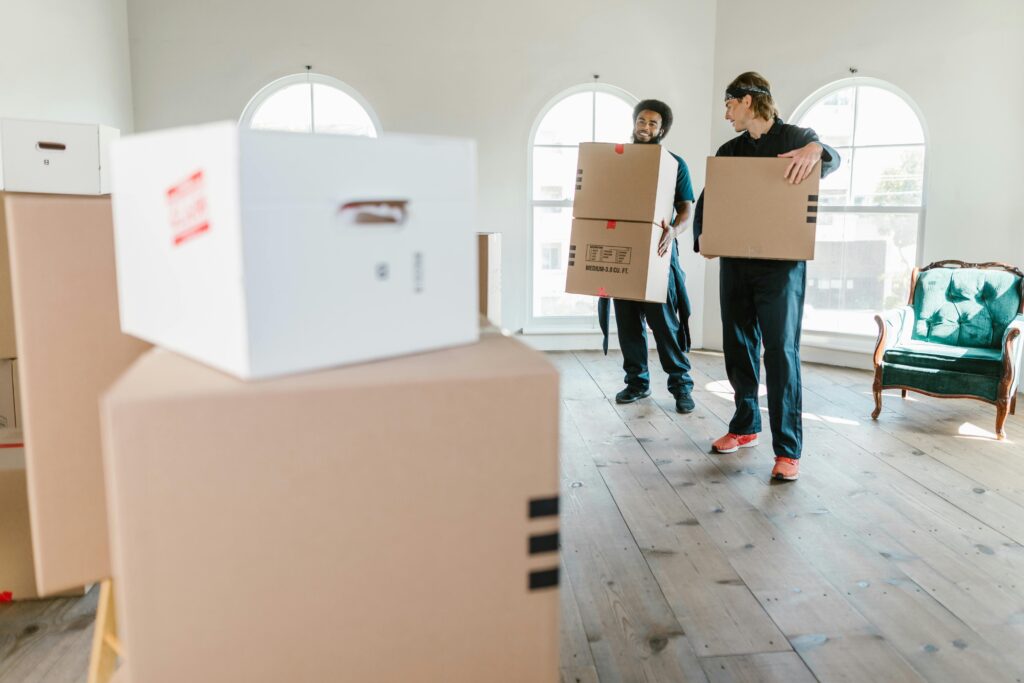
Pack Smart with the Right Supplies and a Room-by-Room System
Packing gets easier when you stop treating your whole home like one big project. Room-by-room packing helps you stay organized, protect your belongings, and make unpacking much faster on the other end.
Start with the right packing supplies. Cheap boxes and weak tape often create expensive problems later. Moving boxes should be sturdy enough to hold their weight without bowing or splitting. You will also want packing paper, bubble wrap, labels, markers, tape, and stretch wrap for furniture or drawers.
Use smaller boxes for books, tools, and heavier household items. Use medium or large boxes for linens, clothing, pillows, and lighter goods. Keep fragile items cushioned and avoid leaving empty spaces where contents can shift during travel.
This packing table can help you decide what works best for each part of the move:
| Packing Item or Method | Best Use | Why It Helps |
| Small moving boxes | Books, pantry goods, tools, small heavy items | Easier to lift and less likely to break under weight |
| Medium and large moving boxes | Linens, clothes, decor, toys, light household goods | Keeps items grouped without making boxes too heavy |
| Packing paper and bubble wrap | Dishes, glassware, electronics, framed items | Helps reduce shifting, scratches, and breakage |
| Labels by room and priority | Every box in the home | Speeds up unloading and makes unpacking more organized |
| Stretch wrap and furniture pads | Dressers, tables, upholstered pieces | Protects surfaces and keeps parts secure in transit |
| Essentials bag or open-first boxes | Daily-use items for the first 24 to 48 hours | Prevents digging through dozens of boxes after arrival |
Packing smart also means thinking ahead to the moving truck. Movers can load more safely and efficiently when boxes are labeled clearly and packed consistently. Mark each box with the destination room and a short description. If something is fragile, label it on multiple sides.
Try to pack gradually instead of waiting for one intense weekend. Start with storage areas, seasonal items, extra linens, books, and decor. Then move toward daily-use spaces as your date gets closer. That steady pace gives you time to correct mistakes, replace supplies, and keep the home functional while packing continues.
Declutter Your Belongings before You Pack and Cut Down What You Move
One of the easiest ways to make a long-distance move cheaper and simpler is to move less. Decluttering your home is a smart first step because every item you keep has to be packed, lifted, loaded, transported, unloaded, and unpacked. If you do not need it in your next home, it may not deserve space on the moving truck.
Start with rooms that are easier to sort emotionally, like bathrooms, laundry areas, guest rooms, or kitchen storage. Once you build momentum, move into closets, bookshelves, and sentimental spaces. Create simple categories: keep, donate, sell unwanted items, recycle, or toss.
This step helps in several ways. It lowers the number of moving boxes you need, reduces packing time, keeps the truck more organized, and often lowers overall moving costs. It also gives you a cleaner start in your new home.
For Asheville residents, there is another benefit. You can donate useful household goods locally before you leave. That gives unwanted items a second life and keeps you from spending time and money moving things you already know you no longer want.
A few decluttering habits work especially well:
- Sort one room at a time instead of jumping around the house
- Sell unwanted items early so pickups or listings do not pile up near moving day
- Donate usable goods as you go instead of stacking them in a corner
- Keep an inventory of valuable items you are moving
- Separate anything that should not go on the truck, including paperwork, medication, chargers, and travel items
A simple inventory is also worth the effort. It does not have to be complicated. A written list, photo log, or quick spreadsheet can help you track your belongings, especially larger furniture, electronics, artwork, or other items that deserve extra attention.

Work with Professional Movers Who Know the Interstate Process
A successful long-distance move depends on planning, but it also depends on who is handling the work. Professional movers should do more than load a truck. They should help you understand the process, answer questions clearly, and make you feel confident about how your move will be handled.
That matters even more when you are crossing state lines. Interstate moving has more scheduling pressure, more distance, and usually less room for error than a local move. Reliable movers help you think through loading, storage, delivery timing, access limitations, and special handling needs before they turn into problems.
When comparing moving companies, ask direct questions. A trustworthy team should be ready with straight answers.
Ask about:
- The written quote and what services are included
- Packing, loading, and storage options
- Delivery windows and communication during transit
- Handling for fragile, bulky, or high-value belongings
- What the crew needs to know about access at both homes
It is also a good idea to share details early. Let your movers know about steep driveways, apartment stairs, elevator reservations, oversized furniture, or timing restrictions. The more complete the information, the smoother your move is likely to be.
At Asheville Area Movers, we focus on honest pricing, dependable service, and communication that keeps customers informed from start to finish. If you are planning a long-distance move from Asheville or into Western North Carolina, reach out for a quote and a plan built around your timeline, home, and destination.
Protect the Final Week, the First Night, and the Delivery Day
Many moves go off track in the final stretch, not because the plan was bad, but because the last few days get rushed. Protecting that final week is one of the smartest things you can do.
By then, most of the major decisions should already be made. The focus should shift to confirmation, access, travel, and the items you will need right away after delivery. Reconfirm dates with your movers, finish your last boxes, and set aside anything that will travel with you instead of on the truck.
Your open-first items should include toiletries, medications, chargers, snacks, important documents, pet supplies, a few changes of clothes, and basic kitchen or bathroom items. If the truck arrives late, or if you are too tired to unpack much the first night, these basics will make a huge difference.
Take a final walkthrough before the movers leave. Check closets, cabinets, drawers, storage rooms, and outdoor spaces. Make sure labels are still visible and your inventory is easy to access. When delivery day comes, direct boxes by room and check larger items as they come in.
If your move includes storage, treat that as part of the plan, not a backup afterthought. Know what is going into storage, how it is labeled, and what you may need access to before everything is delivered.
Ready for a Smoother State-to-State Move? All of Your Moving Details Sorted
A long-distance move does not have to feel disorganized or stressful from start to finish. When you build a solid plan, use the right packing supplies, declutter early, and work with movers who understand both logistics and customer care, the process becomes much more manageable.
If you are planning a state-to-state move from Asheville, or heading here from another location, Asheville Area Movers is ready to help with practical support, clear communication, and service built around real moving needs. Contact our team for a personalized quote and take the next step with confidence.