
How to pack an entire home in 24 hours: pro tips from last-minute movers starts with one reality check. You are not trying to create a perfect move. You are trying to create a workable plan fast enough to keep the day from getting away from you. When a move comes together with little notice, stress can push people into random packing, poor sorting, and wasted trips from room to room. That is where time disappears.
A fast move still needs structure. You need to know what to pack first, what can wait, what belongs in your car instead of a moving truck, and how to protect fragile items without slowing the whole process down. You also need packing methods that help you stay organized when the house still looks lived in, and the clock is moving faster than you would like.
Asheville Area Movers helps homeowners, renters, and families handle fast moves with a clear process, practical supplies, and steady local support. Whether you are dealing with a sudden lease change, a quick closing date, or a move that crept up on you, the steps below can help you pack an entire home in a single day without losing control of the process.
Build a Quick Plan Before You Pack
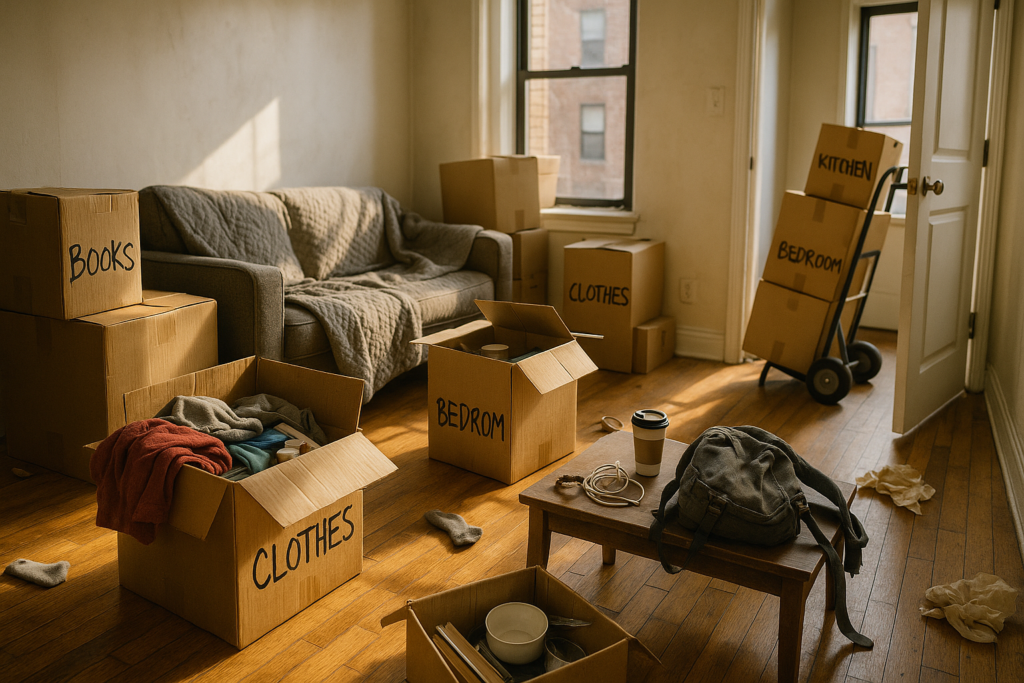
The biggest mistake in a 24-hour move is starting too soon without a plan. It feels productive to grab tape and begin filling boxes, but that often creates more work later. A fast move works best when the first thirty to sixty minutes are spent deciding the order of the day.
Start with a fast walk-through of the home. Look at every room once and decide what belongs in one of four groups:
- Take today
- Store
- Donate
- Trash
That short sort gives your packing a direction. Without it, you end up sealing boxes full of low-priority things while the items you actually need tonight are still sitting loose on counters and nightstands.
Next, make a quick list of the jobs that matter most. Keep it short enough to use. A practical list for a one-day move usually includes:
- Gather supplies
- Pack an essentials bag
- Pack non-daily items first
- Protect fragile items
- Label boxes by room name
- Clear one loading path
- Confirm movers, vehicle, or storage
Once the list is ready, assign time blocks. For example:
- Hour 1: supplies, walk-through, quick list
- Hours 2 to 5: bedrooms and low-use rooms
- Hours 6 to 8: kitchen, bathrooms, and shared areas
- Hours 9 to 10: fragile items and last sweep
- Final hours: loading, cleaning basics, travel items
This keeps the move from turning into a string of half-finished tasks.
If more than one person is helping, assign roles early. One person can wrap and tape. Another can sort contents and label boxes. Another can break down furniture or make donation runs. Good order does not require a big team, but it does require everyone to know what they are doing.
The first hour determines whether you spend the rest of the day moving forward or backtracking. Make the plan first. Then pack.
Pack First What Matters Most

Once the quick plan is in place, the next step is deciding what goes into the first boxes. In a rush, many people start with whatever is right in front of them. That feels easier, but it often creates confusion by mixing daily-use items with things you will not need for weeks.
The better move is to pack by priority.
Start with non-daily items
Pack the things you do not need before the move is over:
- Out-of-season clothing
- Books
- Wall décor
- Extra linens
- Guest room items
- Backup kitchen tools
- Decorative pieces
These are easy wins. They reduce visible clutter fast and help you make real progress early.
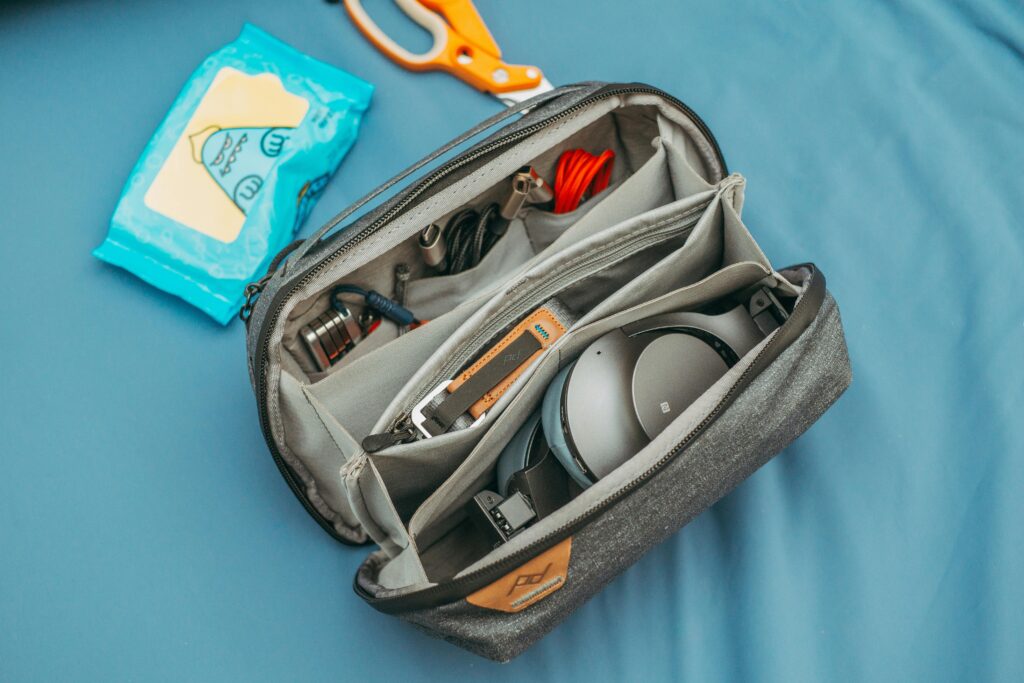
Build one essentials bag per person
Before more boxes are sealed, set aside the items you will need right away. That bag should stay with you, not disappear into the truck. Include:
- Medications
- Chargers
- ID and documents
- Toiletries
- One change of clothes
- Snacks and water
- Work or school items needed tomorrow
- Pet supplies if needed
Make fast decisions about what not to move
A 24-hour move is not the time to overthink every object. If you have items you have not used in years, damaged things you meant to fix, or piles of low-value clutter, let them go. Fast moves become slower and more expensive when you use cardboard, tape, labor, and truck space on things you do not even want.
A simple test helps: if the item is not useful, valuable, or hard to replace, it should not take priority today.
Keep documents and valuables separate
Important papers, jewelry, small electronics, and anything hard to replace should stay with you. Do not bury these items under kitchen towels and random cords in a moving box. Put them in a labeled tote, backpack, or zipper bag that never leaves your sight.
Packing the right things first does two jobs. It clears space in the house, and it protects your night-one needs from getting lost in the shuffle.
Use Fast Packing Methods That Still Protect Your Items
Packing quickly does not mean packing badly. The goal is speed with enough structure to keep your belongings safe and your boxes useful when you arrive.
Start by gathering what you already have. In a fast move, you do not need every container to match. Use:
- Moving boxes
- Plastic bins
- Suitcases
- Duffel bags
- Laundry baskets
- Trash bags for soft goods only
These make sense because time-saving supplies matter when every minute counts.
Use the right container for the right items
When you are moving fast, your wrapping method needs to be simple. Bubble wrap works well for glassware, framed photos, breakables, and electronics. If you run short, use towels, socks, sweaters, and linens as backup padding.
A few practical rules help:
- Use smaller boxes for fragile items
- Fill empty space so items do not shift
- Do not overpack breakable boxes
- Tape the bottom well before filling
- Mark fragile boxes clearly on more than one side
Protect fragile items without over-complicating it
When you are moving fast, your wrapping method needs to be simple. Bubble wrap works well for glassware, framed photos, breakables, and electronics. If you run short, use towels, socks, sweaters, and linens as backup padding.
A few practical rules help:
- Use smaller boxes for fragile items
- Fill empty space so items do not shift
- Do not overpack breakable boxes
- Tape the bottom well before filling
- Mark fragile boxes clearly on more than one side
Pack by room, not by item type across the whole house
It is tempting to gather all books, all cords, or all linens into one giant category. That can work during a slower move, but in a one-day pack, it usually creates confusion. Room-by-room packing is faster because it reduces walking time and makes unpacking easier later.
Keep the pace realistic
One of the best packing hacks for a fast move is to stop aiming for neat, store-style boxes. Aim for secure, labeled, and liftable. A tightly packed box that no one can carry is not efficient. A beautiful box with no room name on it is not useful.
The point is not a perfect presentation. It is getting your home packed in a way that protects your items and keeps the move moving.
Label Boxes and Stage the Home for Moving Day
Fast packing falls apart when boxes are sealed without labels. That mistake saves a few seconds in the moment and costs you hours later. If you want unpacking to feel manageable, label boxes before they leave the room.
Use a bold marker and write three things on each box:
- Room name
- Brief contents
- Priority level
Examples:
- Kitchen | mugs, utensils | open first
- Bedroom | winter clothes | low priority
- Bathroom | towels, daily items | tonight
Here is a simple staging system that works well in a fast move:
Box Type | Label Example | Where It Goes |
Essentials | Bedroom | meds, chargers |
High priority | Kitchen | coffee maker, mugs |
Standard | Living room | books, décor |
Fragile | Hall closet | frames, candles |
Storage | Garage | holiday items |
This kind of staging helps movers know what matters first. It also keeps the house from becoming a maze of mixed boxes and loose bags.
Create one loading zone
As each room is packed, move finished boxes to one area if possible. A dining room, entry space, or garage often works well. That reduces back-and-forth walking and speeds up loading when movers arrive.
Keep one path clear
A fast move can get messy quickly. Keep a clear route from the main rooms to the door. Remove loose shoes, cords, laundry piles, and pet items. The safer the path, the faster the move.
Do a late-day sweep
Before the last boxes are loaded, walk the house again. Open cabinets, check under beds, look in closets, and scan bathroom drawers. The final hour is when phone chargers, medication, remotes, and paperwork get left behind.
Labeling and staging are not extra tasks. They are what make a fast move feel controlled instead of chaotic.
Know When Last-Minute Movers Can Save the Day
Packing an entire home in 24 hours is possible, but it is not always smart to do every piece of it alone. Sometimes the fastest way to finish the move is to bring in last-minute movers who already know how to handle fast-paced packing and loading.
This is especially true if:
- You are moving a full house instead of a small apartment
- You have stairs, tight timing, or limited help
- Large furniture needs to be broken down
- Fragile items need extra care
- You also need storage
- The move must happen on a very specific schedule
Professional movers can help by:
- Bringing the right supplies fast
- Packing more efficiently room by room
- Handling furniture and awkward items
- Reducing loading time
- Helping you make quicker decisions on orders and staging
- Arranging storage if the new place is not fully ready
This is also where local knowledge matters. Asheville homes, apartment access points, hills, narrow roads, and neighborhood layouts can all affect how a fast move unfolds. A local crew can often reduce delays simply because they know the area and can adjust quickly.
If you call movers on short notice, be ready with useful details:
- Address and home size
- Stairs or elevator access
- Any fragile or oversized items
- Whether packing help is needed
- Whether storage may be part of the move
- The target move-out and move-in times
A good moving company cannot slow the clock, but it can make far better use of the hours you have left.
Packing a whole home in one day is a real challenge, but it becomes much more manageable when you start with a quick plan, pack first what matters most, use practical supplies, label boxes clearly, and bring in help when the job is bigger than the timeline.
Asheville Area Movers helps local households handle last-minute packing and moving with organized service, honest communication, and the kind of support that makes a fast move feel possible.
If you need help packing your home on a tight deadline, contact Asheville Area Movers for a quote and get the day moving in the right direction.