
Moving a heavy dresser, sectional, cabinet, or piano can look simple until you’re standing in a narrow hallway with one end in your hands and nowhere to turn. Weight is only part of the challenge. Shape, balance, stair angles, floor surfaces, door frames, and the condition of the piece all affect how safely the job can be done.
A smart plan for how to move heavy furniture safely (and why you should leave it to the pros) can prevent injuries, broken furniture, scraped floors, and moving-day delays. In Asheville, that planning matters even more because many homes have steep driveways, older staircases, tight entries, and mountain roads that make furniture moving harder than expected.
Asheville Area Movers helps homeowners, renters, and businesses handle heavy items with the right equipment, steady communication, and respect for the home. Some small pieces can be moved with the right help and care. Large, awkward, fragile, or high-value items are usually safer in the hands of professional movers who know how to protect both the item and the property.
Plan the Move before You Touch the Furniture
Safe moving starts long before the first lift. The biggest mistake people make is assuming they can “figure it out as they go.” That approach works poorly with heavy furniture because once an item is tilted, wedged, or halfway down a staircase, there may not be an easy way to stop and reset.
Start by walking the full route from the item’s current spot to the moving truck or new room. Look for low ceilings, loose rugs, narrow turns, uneven thresholds, porch steps, tight stair landings, and doors that need to be removed from their hinges. Measure the furniture and the tightest openings. A couch that fits through a living room door may still get stuck at a stairwell corner.
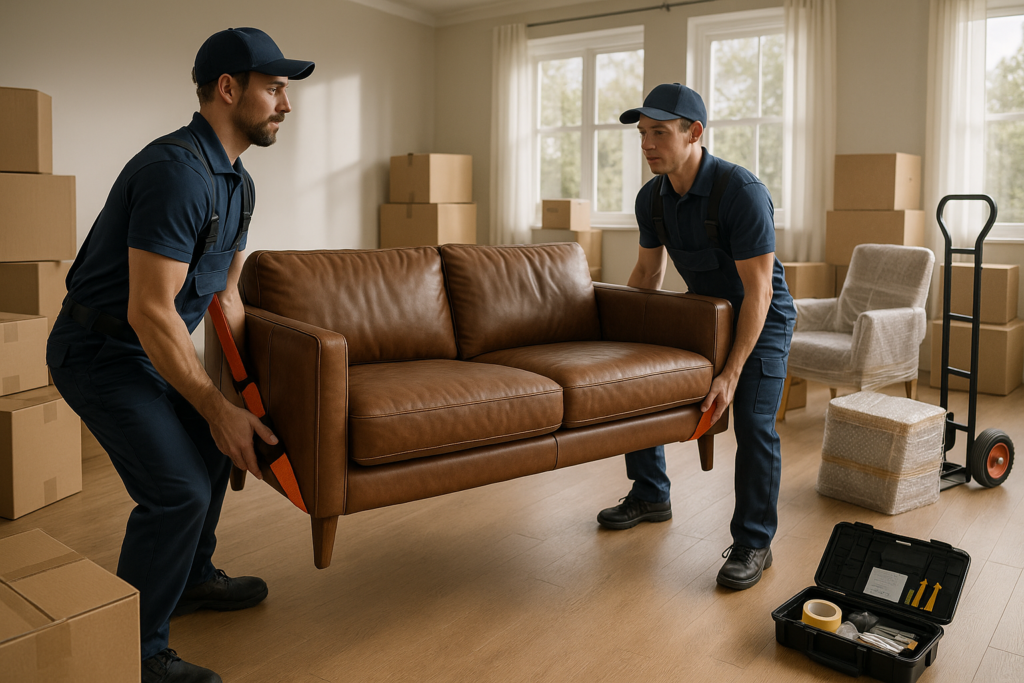
Clear the path completely. Move lamps, small tables, plants, wall art, shoes, cords, and anything else that could catch a foot or block a turn. Pets and children should stay away from the work area. Even a small distraction can become dangerous when people are carrying a heavy item.
Before moving furniture, ask three practical questions:
- Can the item be carried without twisting, dragging, or lifting above shoulder height?
- Is there enough help to keep the weight distributed evenly?
- Do we have the right tools to protect the item, the people lifting it, and the home?
If the answer to any of those is no, pause. That’s a good time to call a local mover instead of pushing through and hoping nothing goes wrong. If your timeline is tight, learn what same-day moving help can realistically cover before planning a rushed heavy-item move.
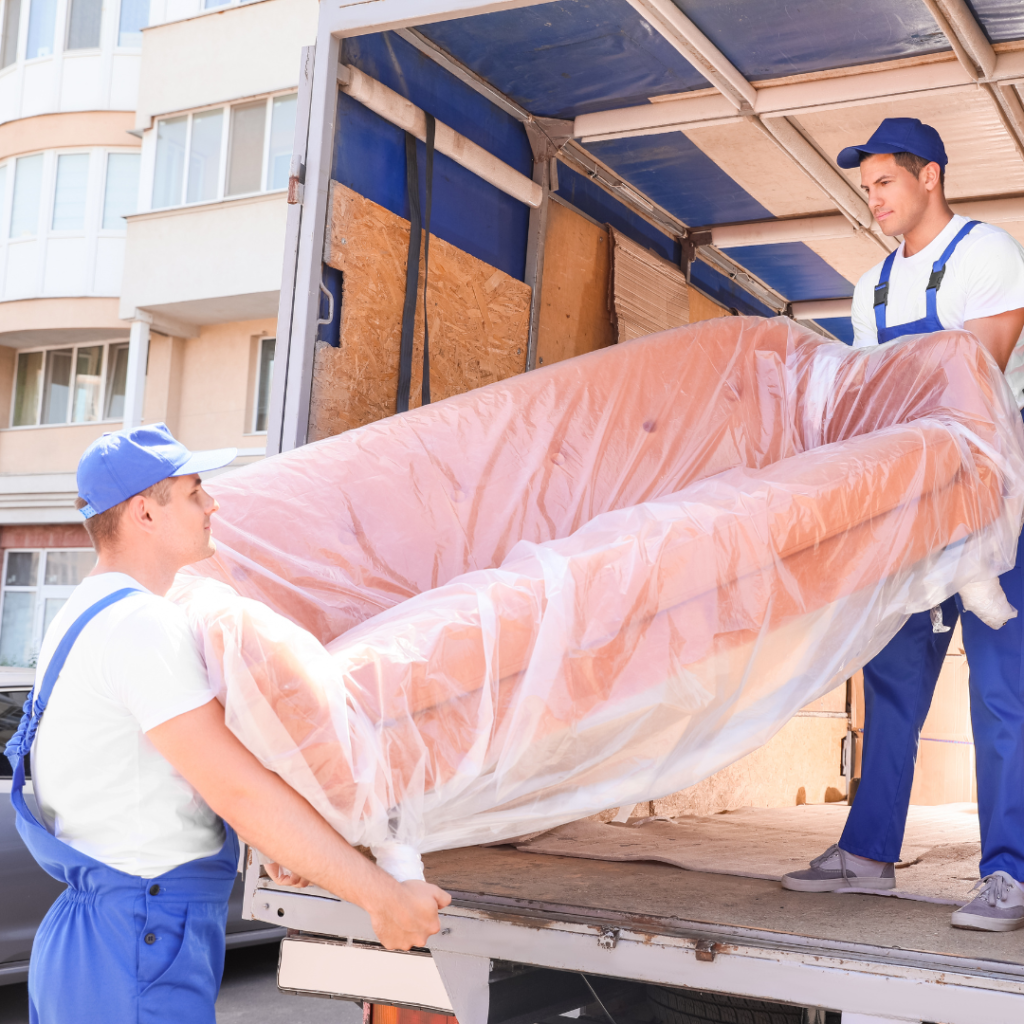
A moving truck is necessary when the item is leaving the home, but the truck is only one part of the process. Safe loading depends on proper spacing, tie-downs, padding, and balance inside the truck. Heavy items should never shift while in transit, especially on Asheville’s hills and curves.
Use the Right Techniques and Moving Supplies
The safest method for moving heavy objects combines planning, correct lifting form, and equipment that reduces strain. Strength helps, but technique matters more. Most injuries happen when someone bends at the waist, twists under weight, or tries to catch a slipping item.
Use your legs instead of your back. Keep your back straight, bend your knees, hold the item close, and move slowly. Don’t rush turns. Communicate before every lift, step, and set-down so the team moves together.
Furniture sliders can help move heavy furniture across carpet, hardwood, tile, or laminate without dragging it across the floor. To lift heavy furniture to put sliders under it, tilt one side slightly while another person places the slider under the leg or corner. Never put fingers under the full weight of the item.
Use moving blankets to protect wood, upholstery, glass, and corners. Stretch wrap can hold drawers or padding in place, but it should not be applied directly to delicate finishes for long periods. Hand trucks, dollies, lifting straps, gloves, and floor runners all make the process safer when used correctly.
| Tool or Supply | Best Use | Safety Note |
| Furniture sliders | Moving heavy items across floors or carpet | Match the slider type to the floor surface |
| Moving blankets | Protecting wood, upholstery, and corners | Secure blankets so they don’t slip while carrying |
| Lifting straps | Carrying large, bulky pieces with better control | Use only with people trained on proper strap placement |
| Dolly or hand truck | Moving tall or stacked items over flat surfaces | Strap the item before rolling it |
| Floor runners | Protecting walkways from dirt and scratches | Tape or secure edges to prevent tripping |
| Work gloves | Better grip and hand protection | Choose gloves that still allow good control |
The best way to move heavy furniture depends on the item, the house, and the route. A short cabinet move across a smooth floor may only need sliders and two people. A large armoire going down stairs may require a trained crew, straps, padding, and a clear loading plan.
Pro movers come equipped with these tools and know when to use each one. They also know when not to force an item through a space, which can prevent expensive damage.
Know when to Disassemble Furniture
Some furniture should be moved in one piece. Other items are safer once you break it down. Disassembly can reduce weight, protect joints, and make tight turns easier.
Bed frames, dining tables, modular sectionals, large desks, entertainment centers, and some shelving units are common candidates. Removing legs, shelves, drawers, mirrors, and detachable tops makes a heavy piece easier to control.
Before you disassemble furniture, take photos from a few angles. Keep screws, bolts, washers, and small parts in labeled bags.
Be careful with older pieces, antiques, pressed wood, and furniture that has been taken apart several times. Some pieces weaken when fasteners are removed repeatedly.
For larger jobs, hiring professional help can save time and reduce risk. Asheville Area Movers can disassemble and reassemble standard furniture when appropriate.
Disassembly also helps with securely loading the truck. Flat pieces and removed legs are easier to pad, stack, and stabilize than one oversized item.

Protect Floors, Walls, Doorways, and Stairs
Many people focus on protecting the furniture but forget to protect the home. Heavy items can scrape flooring, dent drywall, chip trim, crack tile, and damage stair rails if the move is not planned well.
Start with the floors. Hardwood, tile, vinyl, and carpet each need a different approach. Floor runners can protect high-traffic paths. Furniture sliders may work for short movements, but they’re not a substitute for carrying when a piece needs to go over thresholds or down stairs. Never drag heavy wood furniture across bare floors.
Doorways and corners deserve the same care. Measure first, then pad the item and the tightest points in the home. Corner guards can reduce dents during difficult turns. If a door creates a tight angle, removing it from the hinges may give the crew the extra inch needed to move safely.
Stairs are often where DIY moves become risky. The easiest way to move heavy furniture down stairs is usually not easy at all. Weight shifts quickly, and the person below often carries the greatest load. Heavy dressers, cabinets, and sofas can pin someone against a wall or railing if balance is lost.
Watch for these red flags before attempting a heavy move on your own:
- The item blocks your view while carrying it.
- The route includes steep, narrow, or turning stairs.
- The furniture has glass, stone, marble, mirrors, or fragile trim.
- The item feels top-heavy or uneven.
- You need to lift above waist height for more than a moment.
- The piece has high financial or sentimental value.
- You don’t have enough people to move slowly and safely.
If any of these apply, it’s safer to bring in movers. Asheville Area Movers knows the tight layouts, older homes, apartments, condos, and steep access points common in the Asheville area. A local mover can plan for those conditions before they become moving-day problems.
Decide What You Can Move Yourself and What Needs Professional Help
DIY moving can work for small, sturdy pieces that are easy to grip and don’t need to travel far. A nightstand, lightweight chair, or compact bookcase may be manageable with a helper and basic supplies. Heavy furniture is different.
A large cabinet, safe, piano, oversized sofa, antique dresser, or solid wood dining table can injure people and damage property without proper training. Even if it can be lifted, it still has to be carried, loaded, transported, unloaded, and placed safely.
Professional movers bring timing, communication, equipment, and experience. They know how to angle a couch through a doorway, pad a banister, keep a dresser balanced on stairs, and protect a truckload during travel.
Leaving furniture behind may seem easy, but it’s not always the best choice. If the piece is damaged, low-value, or not worth transporting, selling, donating, or disposing of it may make sense. If it’s useful, expensive, sentimental, or hard to replace, professional moving services are often the better option.
Asheville Area Movers handles local moves, long-distance moves, packing and unpacking, office moves, residential moves, furniture deliveries, piano moving, specialty items, and in-home moves. The team is fully licensed and insured, with upfront pricing, hardworking service, and a down-to-earth approach.
You can ask questions, get a clear estimate, and decide which parts of the move you want help with. Some people want a full-service move. Others only need help with heavy items. For longer moves, it also helps to know what to check when researching affordable out-of-state movers so you can compare pricing, service details, and heavy-item experience with more confidence.
Make the Heavy Lifting Easier with Asheville Area Movers
Heavy furniture requires patience, planning, and the right team. With small items, careful DIY moving tips may be enough. With bulky, fragile, awkward, or high-value pieces, the safer choice is often to let trained movers handle the process from start to finish.
Asheville Area Movers brings local knowledge, professional equipment, and steady care to moves across Asheville and the surrounding area. Whether you’re moving across town, rearranging furniture inside your home, loading a truck, or planning a longer distance move, the team can help protect your furniture, your home, and your back.
If you’re unsure whether an item is safe to move on your own, ask before moving day. Asheville Area Movers can help you think through the route, supplies, timing, storage needs, and the best plan for your heaviest items. Reach out for a free quote and let a friendly local crew take care of the hard lifting.