
A long move can feel like a lot to manage. You have paperwork, packing, scheduling, costs, and the pressure of getting everything from one home to another without losing track of details. That is why the ultimate long-distance moving checklist: your 10-step guide to staying sane can make the process easier to follow.
The best moves start early and stay organized from the first decision to the final box. Breaking the work into smaller steps helps you protect your belongings, manage time, and avoid common problems.
Asheville Area Movers offers dependable moving services built on clear communication, careful planning, and support that helps you move with less stress.
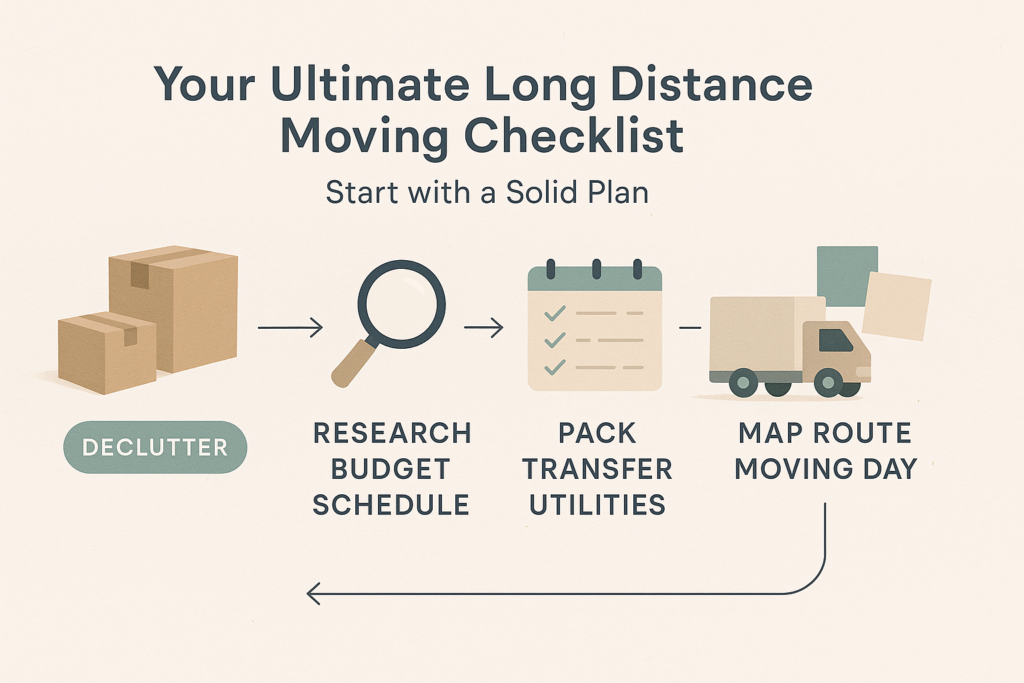
Step 1 to Step 2: Start Early and Build a Real Moving Plan
The first part of a successful move is giving yourself enough time. A rushed move can lead to missed deadlines, damaged items, and extra cost. Starting early gives you time to compare options, ask questions, and make better choices.
Start with your moving date. Then work backward and map out your major tasks by week. This becomes your moving timeline. Include when to book movers, sort and donate items, gather supplies, begin packing, and notify service providers.
Next, decide what kind of help you need. Some households only need loading and transportation. Others need packing, storage, furniture handling, or support for a larger relocation. Think about the size of your home, the number of rooms, and whether you have fragile or bulky items that need extra care.
As you plan, get estimates from a moving company that handles long-distance jobs regularly. Ask what is included in the price, how delivery windows work, and whether storage is available if plans change. A lower quote is not always the better deal if it leaves out labor, fuel, packing help, or delivery details.
It also helps to keep all your information in one place. Use a folder, spreadsheet, or phone notes to store estimates, receipts, dates, contact numbers, and your task list.
A good plan does not need to be complex. It needs to be clear. When you know what comes next, the moving process feels easier to manage.
Step 3 to Step 4: Set a Budget and Create an Inventory System
A long move often costs more than people expect. Transportation is only one part of it. You may also need boxes, tape, protective wrapping, cleaning supplies, hotel stays, fuel, temporary housing, storage, or time off work. If you do not think through these pieces early, moving costs can grow fast.
Start with the major categories. List the estimate from your movers, packing supplies, travel expenses, utility deposits, and any short-term storage needs. Then leave room in the budget for surprise expenses. Even a well-planned move can come with last-minute changes.
The next step is to build an inventory system. This is one of the easiest ways to stay organized and protect your items. Go room by room and write down what you are taking, what you are donating, and what you are throwing away. You can do this on paper, in a notes app, or in a spreadsheet. The format matters less than keeping it accurate.
A home inventory helps in several ways. First, it stops you from packing things you no longer need. That can lower your moving cost by reducing the number of boxes and the total weight. Second, it helps you keep track of your belongings while they are in transit. Third, it gives you a record of what was packed in each room and where it should go after arrival.
Label boxes with both the room name and a short description of what is inside. “Kitchen” is helpful. “Kitchen: plates, mugs, lunch containers” is better. If you want to make unloading easier, add a priority note such as open first, open this week, or storage.
This is also the time to separate valuables, personal records, medications, chargers, passports, and anything you should keep with you instead of placing on the truck. Those items should stay accessible and travel with you directly.
The households that tend to have smoother moves are often the ones that know exactly what they own and where it is packed. An inventory is not busywork. It is a simple tool that makes every later step easier.

Step 5 to Step 6: Book the Right Movers and Pack with a System
Once your plan and budget are in place, confirm your movers and start packing with a clear system. This stage often determines whether a move feels manageable or stressful.
When comparing moving companies, look beyond the first price. Ask what services are included, how schedule changes are handled, and whether the team can manage large furniture, fragile items, or special delivery needs. A dependable company should explain the process clearly and answer questions without making things confusing.
Watch for red flags. Be careful with vague estimates, unclear policies, pressure to book quickly, or poor communication. Good movers should make the process easier to understand.
After your date is set, begin packing in stages. Start with spaces you use the least, such as guest rooms, seasonal storage, books, and extra linens. Leave daily-use areas for later. Packing room by room keeps similar items together and makes unpacking easier.
Use strong boxes and avoid overpacking them. Put heavy items in smaller boxes and lighter items in larger ones. Wrap fragile belongings well and fill gaps so nothing shifts during delivery. Keep furniture hardware and small parts in labeled bags attached securely to the right item or packed in a marked box.
Before moving day, pack an essentials bag for each person. Include clothes, toiletries, medications, chargers, snacks, basic cleaning items, and important paperwork for the first night.
Packing is easier when you follow a steady routine. A few labeled boxes each day will always work better than last-minute rushing.
Step 7 to Step 8: Handle Utilities, Address Changes, and Moving Day Tasks
A move involves more than boxes and trucks. It also includes service changes that can affect your first days in the new home. These tasks seem small at first, but they add up quickly.
Start with utilities. Contact electric, gas, water, internet, trash, and any other providers before your move. Schedule shutoff dates for your old address and start dates for the new one. Try to avoid service gaps after arrival. Keep confirmation numbers in one place.
Next, update your address where it matters most. That may include your bank, employer, insurance providers, subscriptions, school records, and medical offices. Mail forwarding helps, but it should not replace direct updates.
If you have children or pets, make a moving day plan early. Keep medications, snacks, comfort items, and travel documents easy to reach. The less searching you do, the smoother the day will feel.
As moving day gets closer, confirm details with your moving company. Review pickup times, delivery expectations, and contact information. If your building has elevator reservations or parking rules, handle them ahead of time.
Before the truck leaves, do a final walk-through. Check closets, cabinets, drawers, storage spaces, and outdoor areas. Keep your wallet, keys, phone charger, documents, and travel bag with you.
Final checklist:
- Confirm movers, timing, and contact details
- Finish utility transfers and cancellations
- Pack essentials and personal documents
- Set aside valuables and daily-use items
- Complete a final walk-through before departure
These tasks help prevent common moving-day problems. A smoother move usually comes from steady preparation.
Step 9 to Step 10: Unpack with Purpose and Settle In Faster
The move is not over when the truck arrives. The first few days in your new home can feel just as busy as the days before pickup. That is why it helps to have a plan for arrival.
Start with the rooms you need right away. Bedrooms, bathrooms, and the kitchen usually come first. Make the beds, unpack toiletries, and set up enough kitchen basics to handle simple meals. You do not need to unpack everything on day one. You need enough order to live comfortably while the rest gets done.
Use your labels and inventory list to guide the process. Open high-priority boxes first. Work one room at a time so the house starts to feel functional instead of scattered. That also makes it easier to spot anything missing or damaged while details are still fresh.
As you unpack, break down boxes you no longer need and create one area for packing waste. A clean path through the home makes the space feel calmer and safer. If you moved items into storage, update your records so you know what went where.
This is also the time to check the basics. Test utilities, locate shutoff points if needed, confirm your internet is working, and make sure important mail is forwarding correctly. Take a little time to learn the new area too. Find the closest grocery store, pharmacy, gas station, and urgent care. Small steps like these help the new place feel familiar faster.
Here is a quick table that can keep your arrival organized:
Priority Area | What to Do First | Why It Matters |
Bedroom | Unpack bedding and basic clothes | Helps you rest the first night |
Bathroom | Set out toiletries, towels, medications | Keeps daily routines easy |
Kitchen | Unpack dishes, coffee items, and basic food tools | Makes meals simpler right away |
Paperwork | Store records, lease papers, receipts, contacts | Keeps important details easy to find |
Main Living Areas | Place furniture and clear walkways | Makes the home safer and easier to use |
Many people ask what the cheapest way to move long-distance is. The answer depends on how much you own, how far you are going, and how much labor you can do yourself. Cutting costs usually starts with reducing what you bring, packing carefully, comparing providers, and avoiding last-minute decisions. The cheapest option is not always the smoothest one, so weigh time, effort, and risk along with price.
Another common question is which room is hardest to pack. For most households, it is the kitchen. It has fragile items, odd shapes, breakable glass, small tools, and daily-use items you may need until the last minute. Start there early and pack it in stages.

Ready to Make Your Move Easier with Great Services?
A strong checklist can turn a stressful move into a more organized one. When you start early, track your tasks, pack with a system, and work with dependable movers, the whole experience becomes easier to manage.
Asheville Area Movers helps households prepare for long-distance moving with clear communication, reliable support, and service built around real-world needs. Whether you need help planning, packing, transportation, or staying on schedule, our team is here to help you move with less stress and more confidence.
If you are getting ready for a big move, contact Asheville Area Movers to talk through your timeline, ask questions, and get the support you need for a smoother relocation.